


3 Steps to Successful Social Media Fundraising

 Social media can be a double-edged sword for nonprofits. It’s an appropriate venue to share stories about your cause and foster community among your supporters. When it comes to fundraising, however, social media can be a confusing tool. Forty-three percent of millennials are most inspired to give using social media, but research reveals that only 3 percent of traffic to nonprofit websites comes from social.
So, What’s the Secret to Converting Likes and Retweets into Actual Dollars?
The reality of online fundraising is that many actions you take to engage your audience actually gets in the way of their generosity. Links to donation pages and lengthy updates about your work result in donor drop-off, incomplete donations and significant fundraising dollars left on the table.
The secret to successful social media fundraising: Offer the path of least resistance. These three steps offer a springboard to a smarter strategy. You can engage donors, while keeping fundraising from being a click too far:
1. Engage your audience directly. Facebook and Twitter are two amazing places for instant, direct interaction with your supporters. When it comes time to ask for donations, you don’t want it to feel like it’s out of the blue — make them feel as if they have been a part of your efforts all along and need to lend a hand. #Donate allows supporters to donate to you by just commenting on your posts. Incorporating #Donate into your social fundraising strategy helps you connect with your audience in a personal way, while soliciting donations.
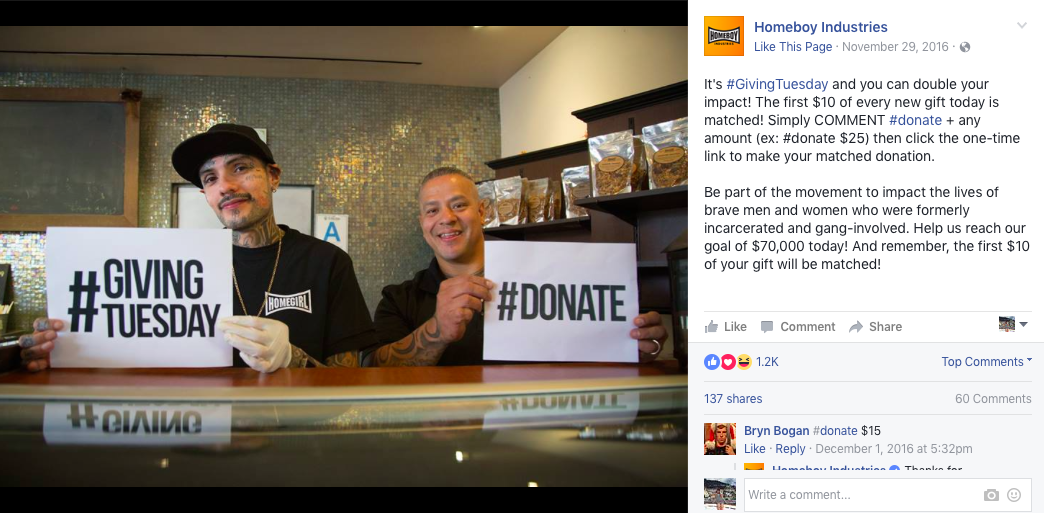
Image via Facebook
2. Pace your content. Engage your audience and keep your content fresh, but be careful not to over-share. Set a regular pattern of giving information and ask your audience to do something. Think three days of updates and post on the fourth day with an ask — it can be asking for a donation, encouraging your audience to share or maybe asking them to sign a petition or volunteer.
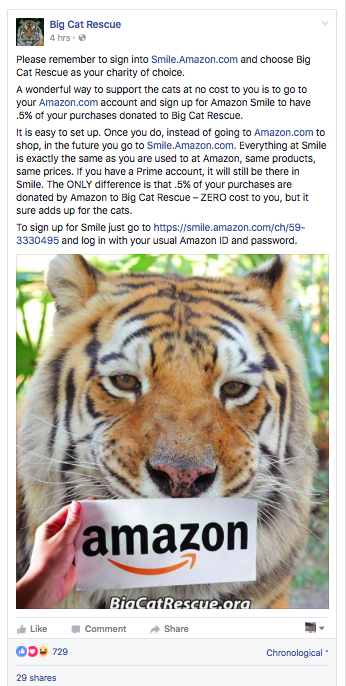
Image via Facebook
3. Keep your audience where they want to be. The average person spends nearly an hour a day on Facebook. Go meet them where they are and keep them there! Users absorb information in tiny chunks, so give them a small update each day to keep your work on their mind.
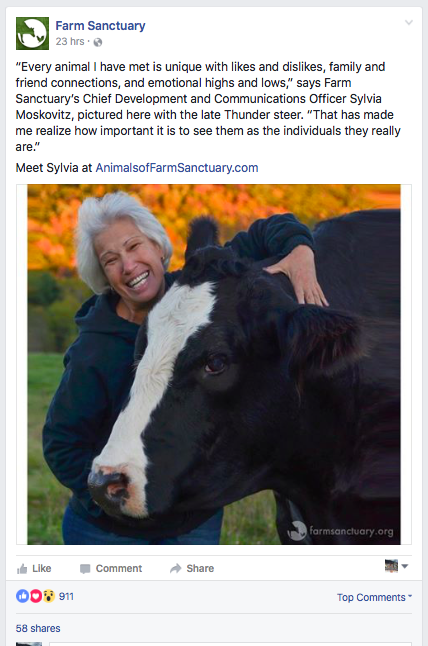
Image via Facebook
Dale Nirvani Pfeifer is changing the way we connect online by making social giving simple. An award-winning researcher and native Kiwi, Pfeifer applied the theory of Allophilia (like or love of others) to Maori leadership, demonstrating how the power of love and effective leadership can bring together big, diverse groups of people. She ran the Victoria University of Wellington’s Center for the Study of Leadership and collaborated with institutions like Harvard University. She later began working with organizations across the U.S. and New Zealand—from security think tanks to the Rockefeller Foundation—to help them understand their purpose; develop and implement programs and communications strategies; and design, lead and program a number of initiatives. Pfeifer’s work in the nonprofit and foundation sector led her to recognize the power of business to drive large-scale impact, and she founded Goodworld. She was recently named one of Washington Business Journal’s 40 Under 40 business leaders in Washington and one of Trending 40’s New Power Women of DC Tech.


