


How many of us sit down each day at work to a cup of coffee and review endless lists of potential prospect names? These names could be potential fundraising prospects — or not. You gather prospect information from a variety of sources and get very excited about their potential.

As a person in his early 30s, I’ve never felt politics’ impact — on day-to-day life, on the way we think and on the way we interact — so strongly before. If I had to guess, it might have something to do with how polarized our politics have become and how extreme the parties themselves have gotten.
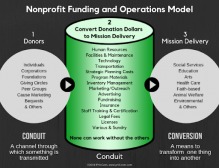
When evaluating a nonprofit organization’s financial and operational effectiveness, what should we consider? It is the age-old nonprofit conundrum: How do we show our nonprofit value on paper?

Nonprofit organizations are a big responsibility. And just because you might think you can make a difference, there are things to consider before starting.

Nonprofit employers are driven by purpose, not earnings. However, they are faced with the same financial obligations as their for-profit counterparts. Attracting and retaining the industry’s top people is expensive in today’s multicultural and multigenerational workforce.

In the past, the makeup of a nonprofit board of directors primarily consisted of people with a vested interest in your organization—early investors, lead donors or people the organization’s leader knows well and trusts. Board chairs would look to match certain kinds of experience and expertise, such as legal or financial.

This question also came up at the recent sustainer workshop, and I know it’s something people struggle with, especially when you talk with your treasurers or finance folks. Monthly gifts are different from the major gift pledges most organizations are used to.
One of the many activities that I have been asked to perform over the years is board training. Whether it is a governing board or advisory board, every nonprofit board needs structure and guidelines to follow. Recently, I was asked for board advice by a new CEO of a nonprofit.
Core values are an essential aspect of running a nonprofit organization, because they provide the information that the outside world needs to know about what you stand for in the community. Core values help inform people about how your organization behaves from within and outside of itself.

Smart nonprofits are always looking for better tools to engage their boards of directors. It’s an incredible time for productivity; there are digital solutions for almost every single need. However, there’s also a danger of overkill.
